The everyday edit / 5 min
The most useful upgrade might be the one you skip
A calmer way to shop starts with a small question: what, exactly, is not working?
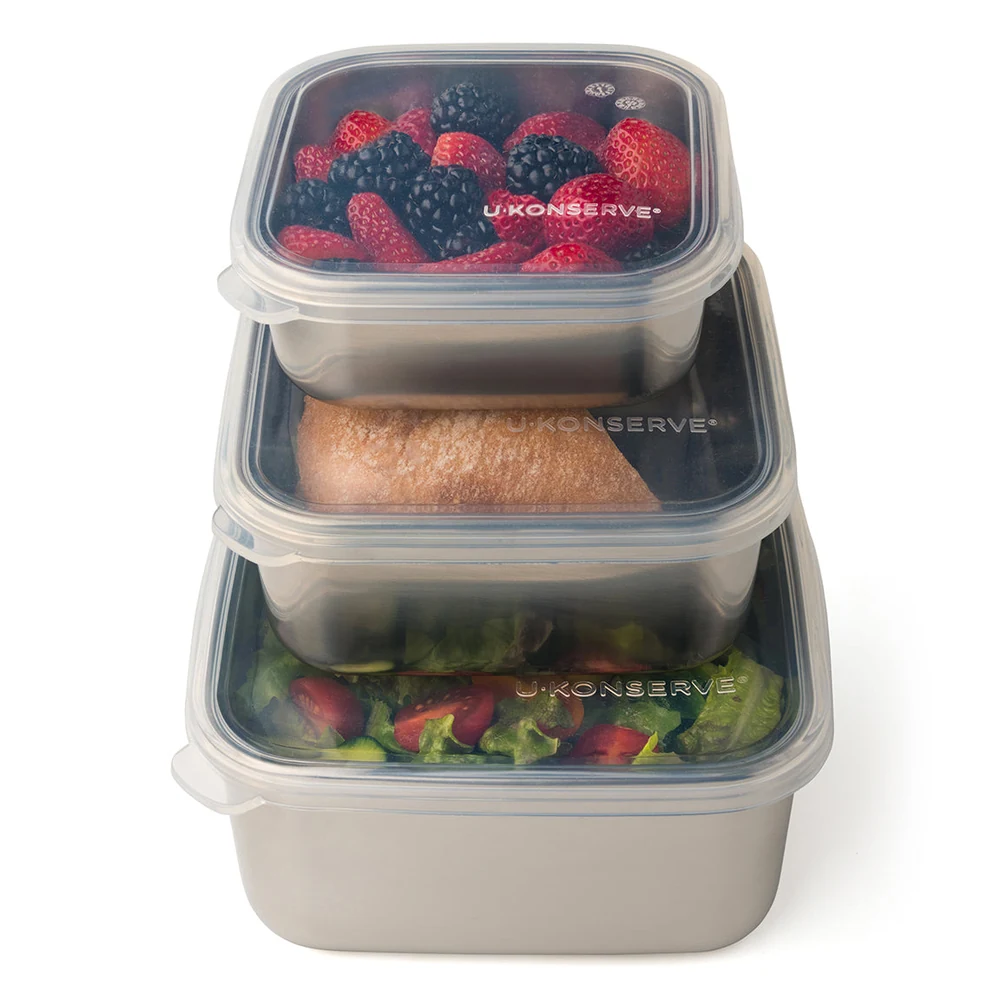
You open a cupboard to put away a new container and have to rearrange six others to make room. None quite matches. Most still work. The new one looked like a small improvement; together, they have become another thing to manage.
Buying well starts earlier than the product shortlist. It starts with understanding the job and the reason you are unhappy with the way you do it now.
Name the problem in one sentence
“I need something better” leaves every attractive product in contention. “My lunch leaks when I carry it on the train” gives you a testable requirement. “I dislike cleaning the straw in my bottle” points to a simpler cap, not necessarily a new bottle.
Write down the job, the constraint and the budget. Then look for the smallest change that addresses them.
Look for a missing part before a replacement
Check whether a compatible lid, seal, brush head or filter is sold separately. Read the exact model number and installation instructions. A spare part is useful only if it fits, remains available and restores the function you need.
For a pan, the question may be care. For a bottle, it may be a cap. For sheets, it may be buying the piece you need rather than a complete set. Those are possibilities to investigate, not reasons to keep an item that is damaged or unsuitable.
Buy for the routine you actually have
A beautiful hand-wash-only item needs a willing hand-washer. A compact refill needs a place to store it. A repairable product needs available parts and a repair you can realistically arrange. Treat those requirements as part of the purchase, rather than leaving them for later.
Give the higher price a job
Ask what the extra money buys: an easier grip, a useful spare part, a larger working surface or a documented certification you value. If the answer does not matter to your routine, the upgrade may not be worth it to you.
Divide an observed price by realistic use only as a personal budgeting exercise. It does not establish a product’s lifespan or environmental break-even point.
A short checklist before checkout
- What specific problem will this solve?
- Could a repair, spare part or different routine solve it?
- Does it fit my storage, cleaning routine and budget?
- What am I giving up by choosing this option?
- What evidence supports the feature I care about most?
You do not need a perfectly coordinated home. You need things that earn their place in it.
Start with food-storage options or read the bottle-cap checklist.
Sources & editorial limits
This is an AI-assisted, source-based explainer. Product documentation and linked guidance support specific statements; they do not establish our own product tests or a universal health or sustainability ranking.